 English▼



Kategori Produk
- pilot baterai / jalur produksi
- perakitan laboratorium baterai
- Lithium Battery Pack Assembly Line
- Solid State Battery Assembly Line
- Sodium Ion Battery Production Line
- Supercapacitor Assembly Line
- Lithium Ion Battery Recycling Plant
- Dry Electrode Preparation Solution
- Perovskite Based Solar Cell Lab Line
- Electrode Preparation
- Li ion baterai bahan
- busa elektroda logam
- bahan aktif katoda
- bahan aktif anoda
- Customized Battery Electrode
- Koin sel bahan
- chip lithium
- bagian sel silinder
- pengumpul arus baterai
- bahan konduktif baterai
- elektrolit dan kantong
- Metal Mesh
- pengikat baterai
- pemisah dan selotip
- film aluminium laminasi
- strip nikel / foil
- Battery Tabs
- bahan graphene
- Nickel Felt
- Titanium Fiber Felt
- Battery Pack Machine & Components
- Battery Pack Components
- Turnkey Solutions Battery Pack Assembly Line
- Cell Sorter
- Battery Pack Spot Welder
- Laser Welder
- Battery Charging Discharging Tester
- Battery Pack Aging Machine
- Battery Pack Comprehensive Tester
- Battery Pack Compression Machine
- CCD Visual Inspector
- Battery Paper Sticking Machine
- BMS Testing Machine
- Al Wire Bonding Machine
- semua mesin perakitan baterai
- penguji & penganalisa baterai
- Battery Safety Tester
- Material Characterization Tester
- mesin press bergulir
- mesin las spot logam
- mesin pengaduk vakum
- mesin crimping / pembongkaran
- mesin penyegel vakum
- mengisi elektrolit
- mesin susun / belitan
- pemotong elektroda / slitter
- kantong membentuk mesin
- NMP Solvent Treatment System
- Lithium Battery Production Plant
- Vakum kotak sarung tangan
- tungku
- Hydraulic Press Machine
- Coater
- ball mill
- mesin laboratorium
- mixer sentrifugal planet / pabrik
- Oven vakum
- ruang uji kelembaban suhu
- Hardness Tester
- Spray Dryer
- inkubator
- rotary evaporator
- Viscometer
- Three Roller Mill
- analisa luas permukaan
- crusher laboratorium
- uv mesin curing
- freezer sangat rendah
- Water Chiller
- Laser Cleaning Machine
- Cutting Machine
- Baterai
- peralatan lab lainnya
Hubungi kami
- Jika Anda memiliki pertanyaan, silahkan hubungi kami, Semua pertanyaan akan dijawab
- WhatsApp : +86 18659217588
- Email : David@tmaxcn.com
- Email : Davidtmaxcn@gmail.com
- Tambahkan : No. 39, Xinchang Road, Xinyang, Haicang Dist., Xiamen, Fujian, China (Mainland)
Lab Scale Cylindrical Battery R&D Pilot Line
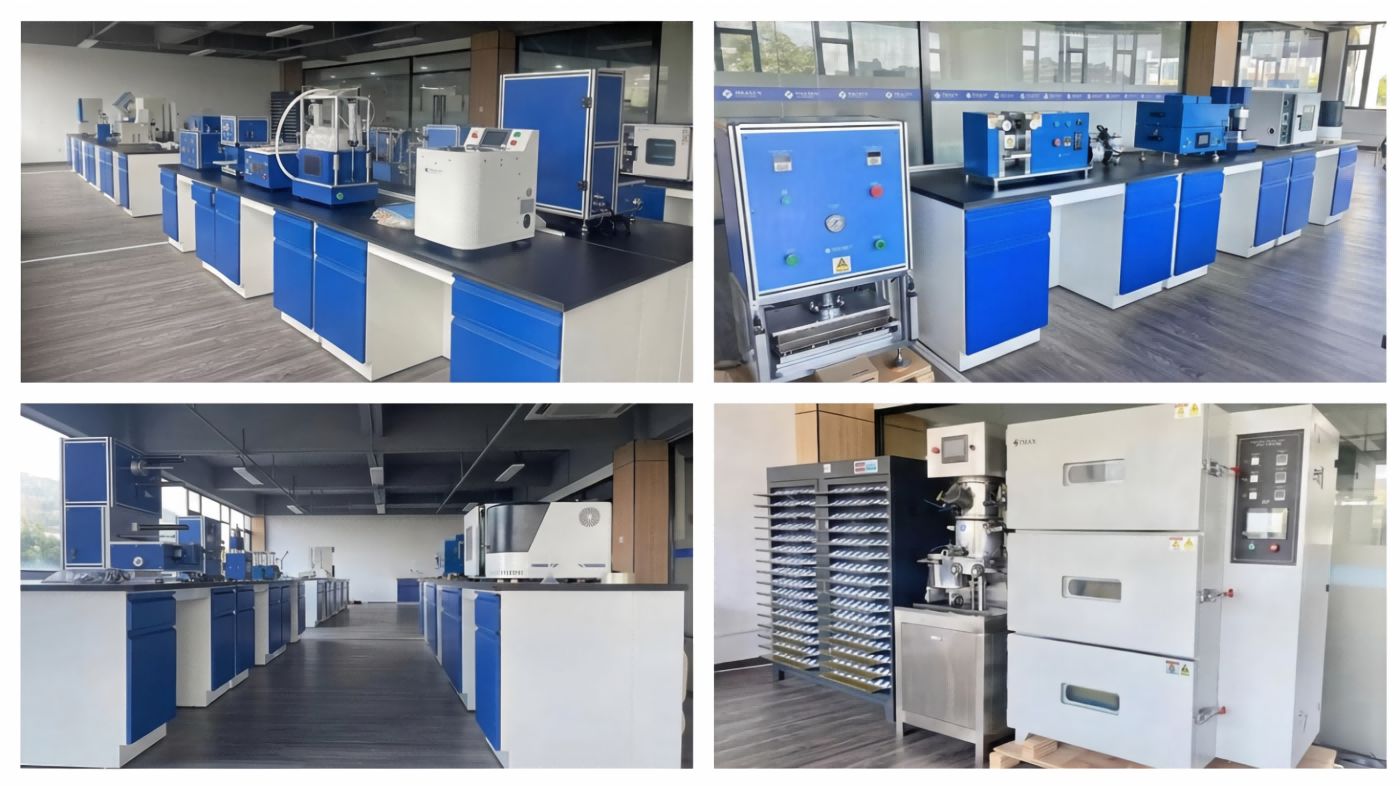
A lab-scale cylindrical cell lab line is a compact system designed for the research and development of lithium-ion, sodium-ion, solid-state, and next-generation batteries. Equipment configurations can be customized based on research requirements and budget.
It typically covers four main stages, providing a complete workflow for laboratory-scale battery prototyping and testing, ensuring precision and consistency from the initial material selection to the final performance validation. This end-to-end workflow ensures traceability and repeatability, critical for scaling up battery technologies from lab prototypes to commercial production.
What is a Lab-Scale Cylindrical Cell Lab Line?
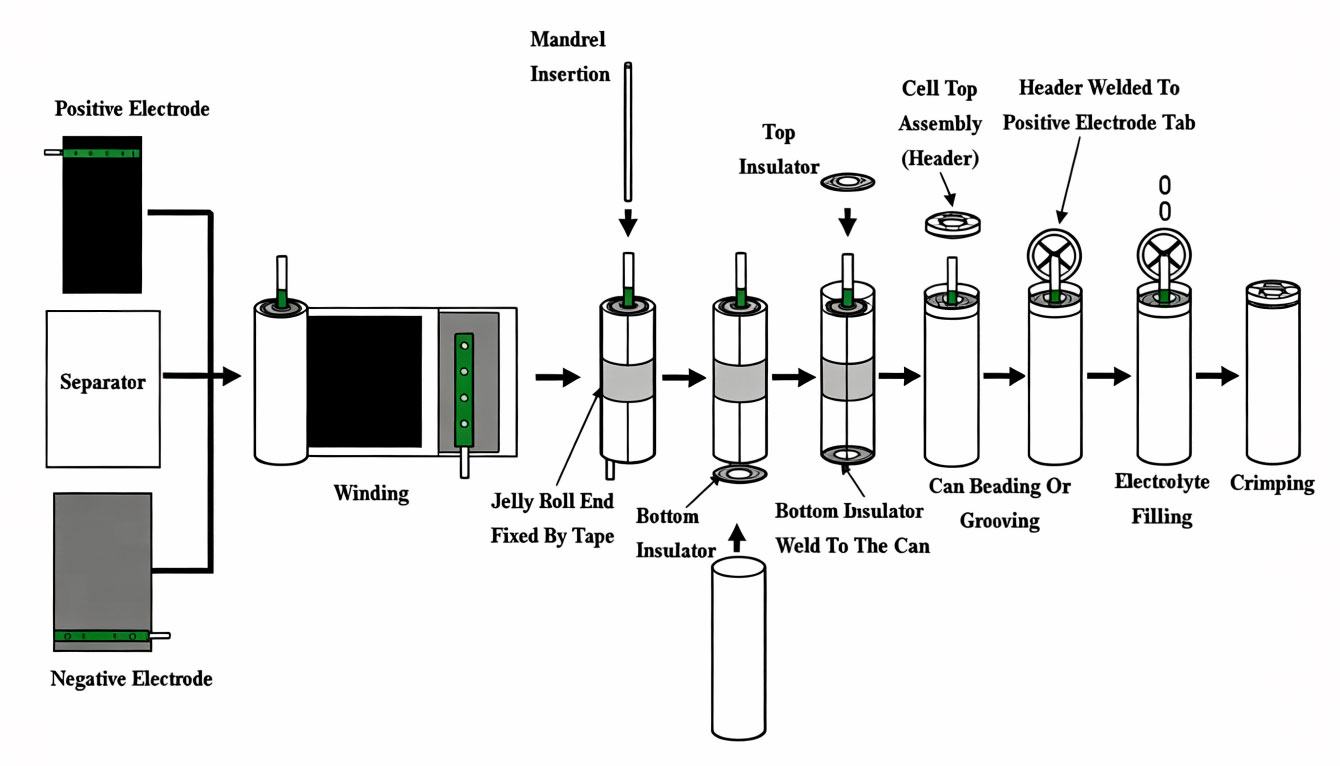
Assembly Flow Chart of Cylindrical Cells
Key Process Stages
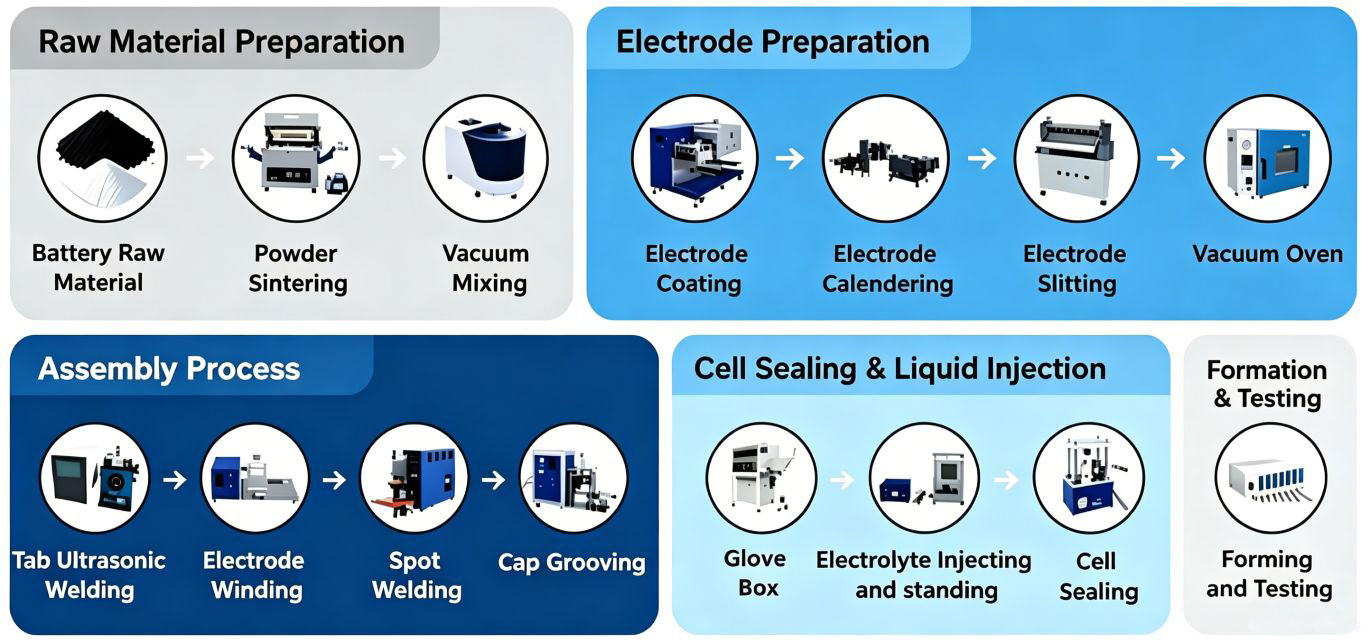
Step 1 Electrode Sheet Preparation
Step 2 Cell Assembly
Step 3 Case Formation & Sealing
Step 4 Battery Testing

Raw material preparation is the first step in battery development. This stage focuses on synthesizing, mixing, and processing active materials used in battery electrodes.
| Component | Common Materials / Structure |
|---|---|
| Cathode | LFP, NMC, NCA, LCO |
| Anode | Graphite, Silicon Carbon, LTO |
| Separator | PE, PP, PP/PE/PP |
| Electrolyte | LiPF6, EC, EMC, DEC, DMC, additives (VC, FEC, etc.) |
| Binder | PVDF (cathode), SBR/CMC (anode) |
| Conductive Additive | Carbon black (Super P), CNT, graphene |
| Solvent | NMP (cathode), deionized water (anode) |
| Cathode Current Collector | Aluminum foil (single/double-side glossy, carbon-coated Al foil) |
| Anode Current Collector | Copper foil (single/double-side glossy, carbon-coated Cu foil) |
| Cylindrical cell cases | 18650 cases, 21700 cases, etc. |
| Tab | Aluminum tab (positive), Nickel / Ni-Cu tab (negative) |

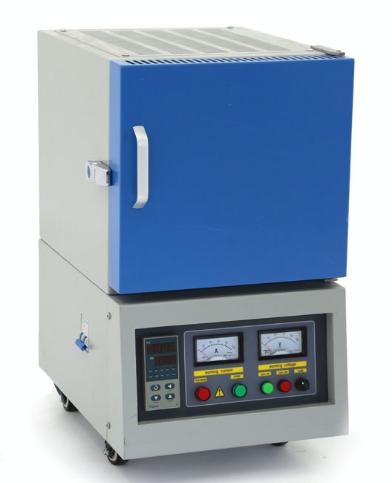
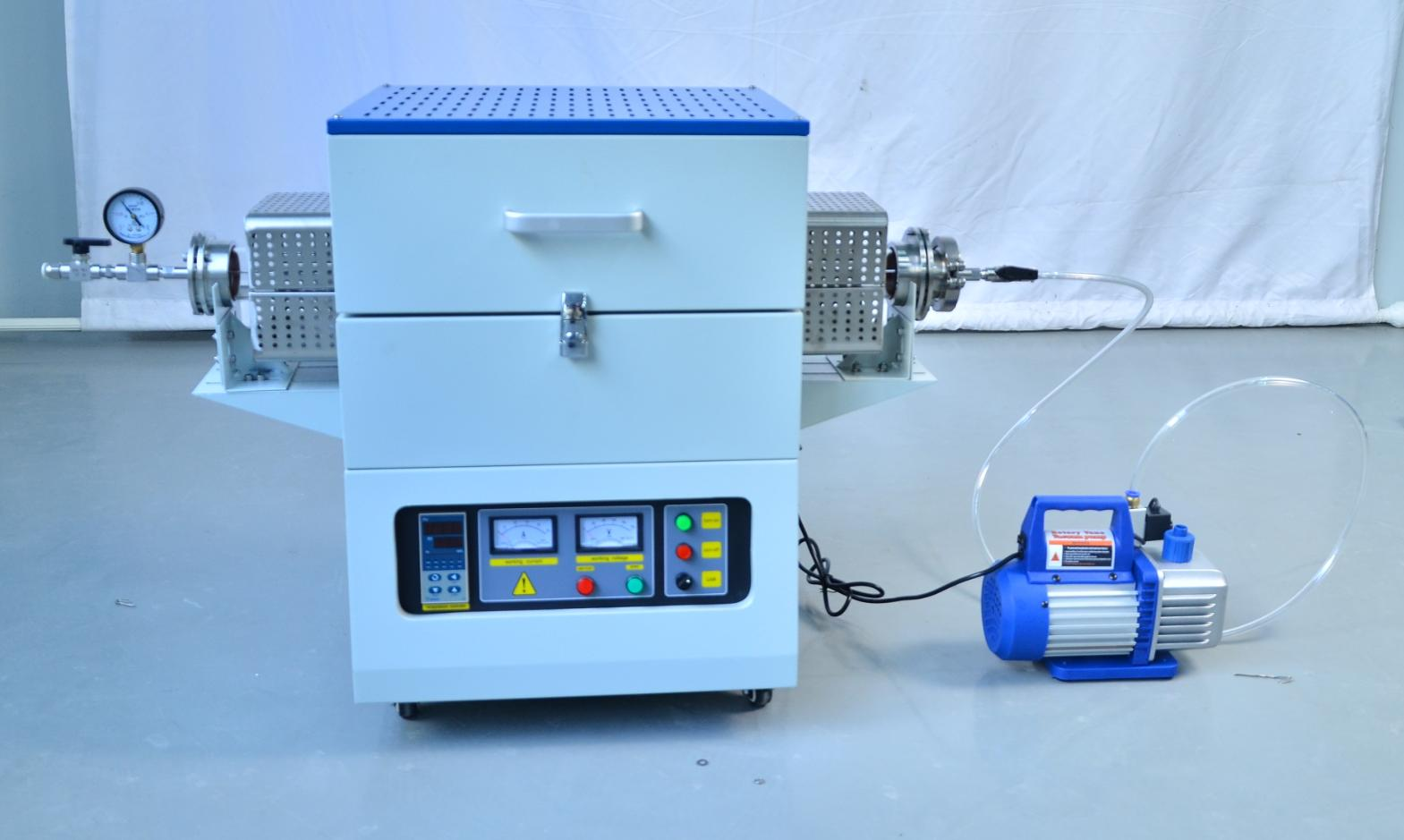
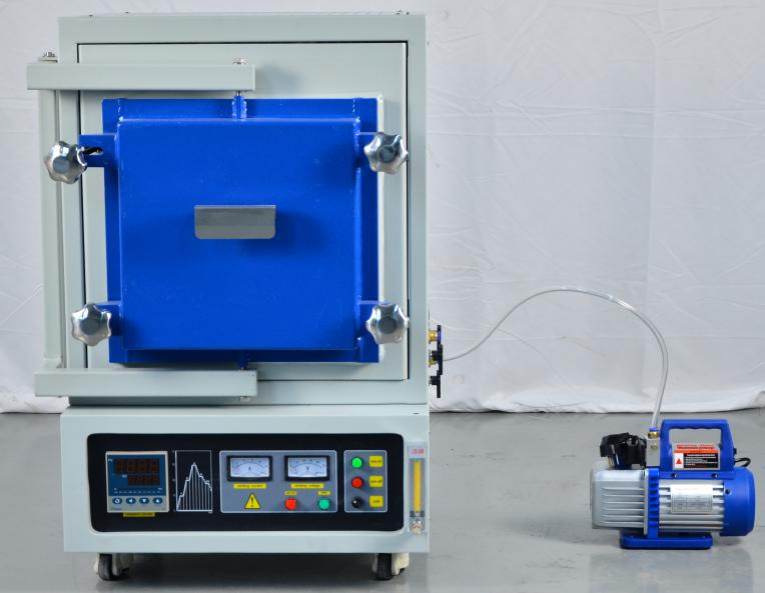
Widely used for cathode and anode material calcination, sintering, and heat treatment in battery R&D. Supports precise temperature control and controlled atmospheres such as vacuum, nitrogen, or argon.
Swipe left and right on the table to view the complete data.
| Types | Muffle Furnace | Tube Furnace | Atmosphere furnace |
|---|---|---|---|
|
Chamber size |
100*100*100mm 200*150*150mm 300*200*200mm 400*300*300mm Customized |
40*205mm/ 60*205mm/ 80*205mm/ 100*205mm/ 40*350mm/ 60*350mm/ 80*350mm/ 100*350mm/ 40*440mm/ 60*440mm/ 80*440mm/ 100*440mm Customized |
100*100*100mm 200*150*150mm 300*200*200mm 400*300*300mm Customized |
|
Temperature |
1200C/ 1400C/ 1700C Customized |
1200C/ 1400C/ 1700C Customized |
1200C/ 1400C/ 1700C Customized |
|
Reference Picture |
|
|
|

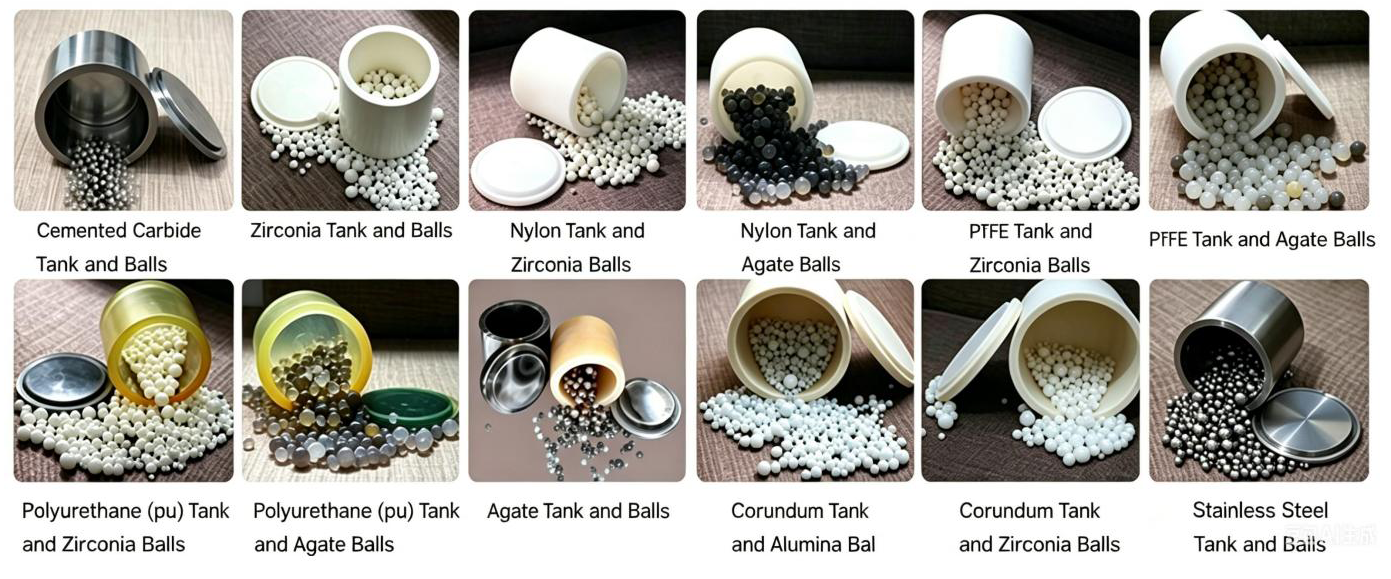
Planetary ball mill is widely used in the raw material preparation stage of battery production, especially for cathode and anode active material research and development. It enables high-energy grinding, mixing, and particle size reduction to improve material uniformity and electrochemical performance.
In battery material R&D, zirconia (ZrO₂) grinding jars and zirconia grinding balls are the most commonly used configuration.
They are preferred because of:
- ◆ Ultra-high purity processing
- ◆ Zero metal contamination
- ◆ Excellent wear resistance
- ◆ Suitable for ultra-fine grinding applications
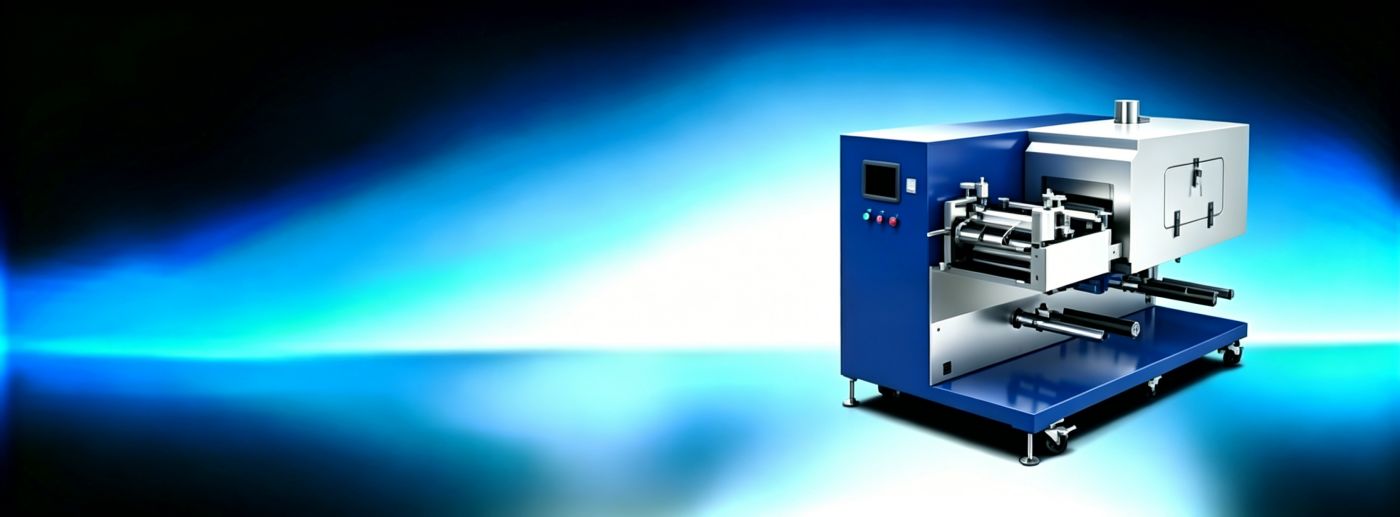
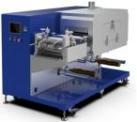
The coating machine is a key equipment in cylindrical cell electrode preparation, used to evenly coat cathode or anode slurry onto current collectors (Al or Cu foil). It ensures uniform thickness, stable loading density, and consistent electrochemical performance.
| Function | Desktop Coating Machine | Floor-Type Medium Coating Machine |
|---|---|---|
| Machine Type | Compact bench-top system | Floor-standing system |
| Target Application | Small-size cylindrical cells R&D | Larger-size cylindrical cells & pilot-scale |
| Production Scale | Low throughput laboratory use | Medium-scale laboratory production |
| Coating Width | 50–300 mm | Customizable |
| Coating Length | 200–800 mm | Customizable |
| Heating System | Heating or non-heating optional | Heating or non-heating optional |
| Vacuum System | Built-in vacuum pump included | Not standard / optional depending on configuration |
| Coating Mode | Single / small-scale coating | Three roll transfer intermittent coating |
| Production Scale | Low throughput laboratory use | Medium-scale laboratory production |
| Reference Picture | 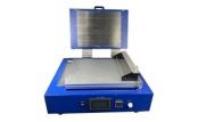 |
 |
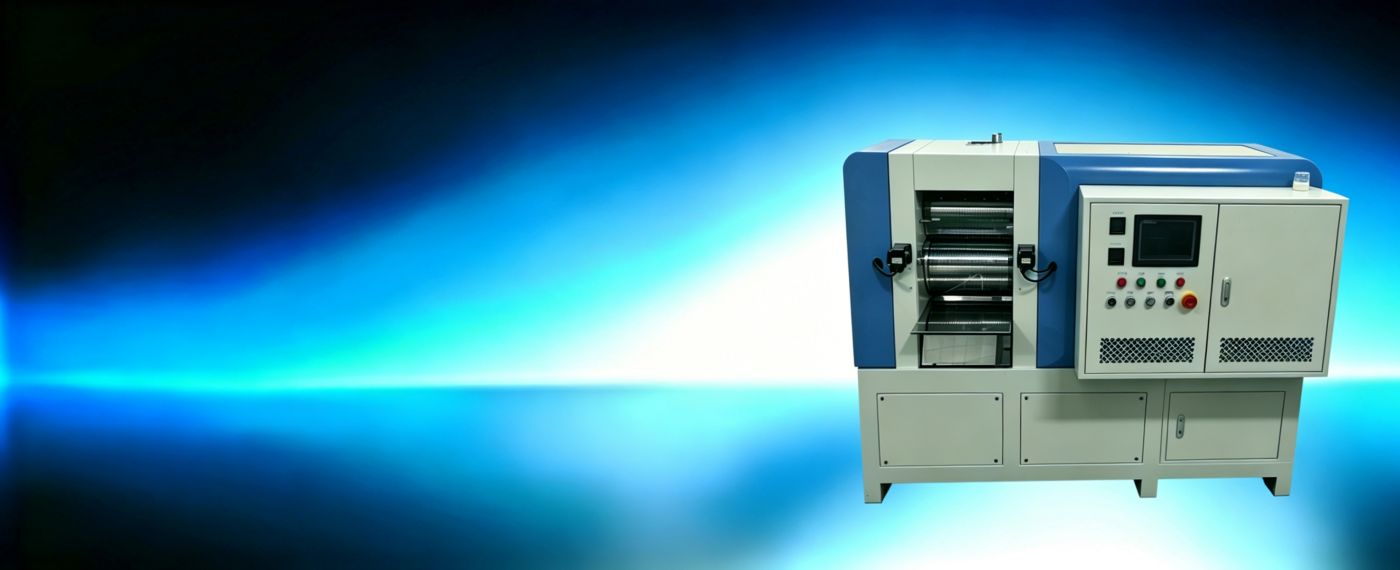
Roll press machine is used in the electrode preparation process of cylindrical cell production. It compresses the coated electrode sheets to increase density, improve adhesion, and ensure uniform thickness, which directly enhances battery performance and cycle life.
| Function | Desktop Roll Press Machine | Floor-Type Medium Roll Press Machine |
|---|---|---|
| Machine Type | Bench-top / small laboratory system | Floor-standing system |
| Roll Diameter | 100 mm | 210mm |
| Rolling Width | 100–400 mm | 330mm |
| Heating System | Heating or non-heating optional | Heating or non-heating optional |
| Pressing Type | Manual / electric options | Hydraulic roll pressing |
| Roll Orientation | Horizontal (default) / vertical optional | Horizontal / customized layout |
| Winding System | Not available | Optional unwinding & rewinding |
| Application Scale | Small-batch laboratory production | Pilot-scale |
| Reference Picture | 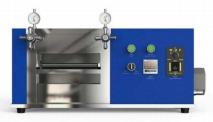 |
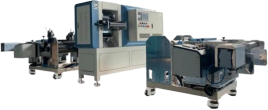 |

The cylindrical electrode cutting machine precisely cuts wide electrode strips into fixed-length sheets to match the size of cylindrical cell winding cores.
The cylindrical electrode slitter processes raw electrode rolls into standard-width strips ready for winding cylindrical cells.
It maintains precise sizing and smooth cut edges with outstanding repeatability, laying solid groundwork for follow-up battery winding and assembly.
| Cutting Machine Types | Reference Picture |
|---|---|
| Sheet Cutting Machine | 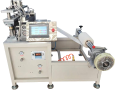 |
| Desktop-style Slitting Machine | 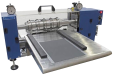 |
| Floor-standing Electrode Slitting Machine | 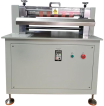 |
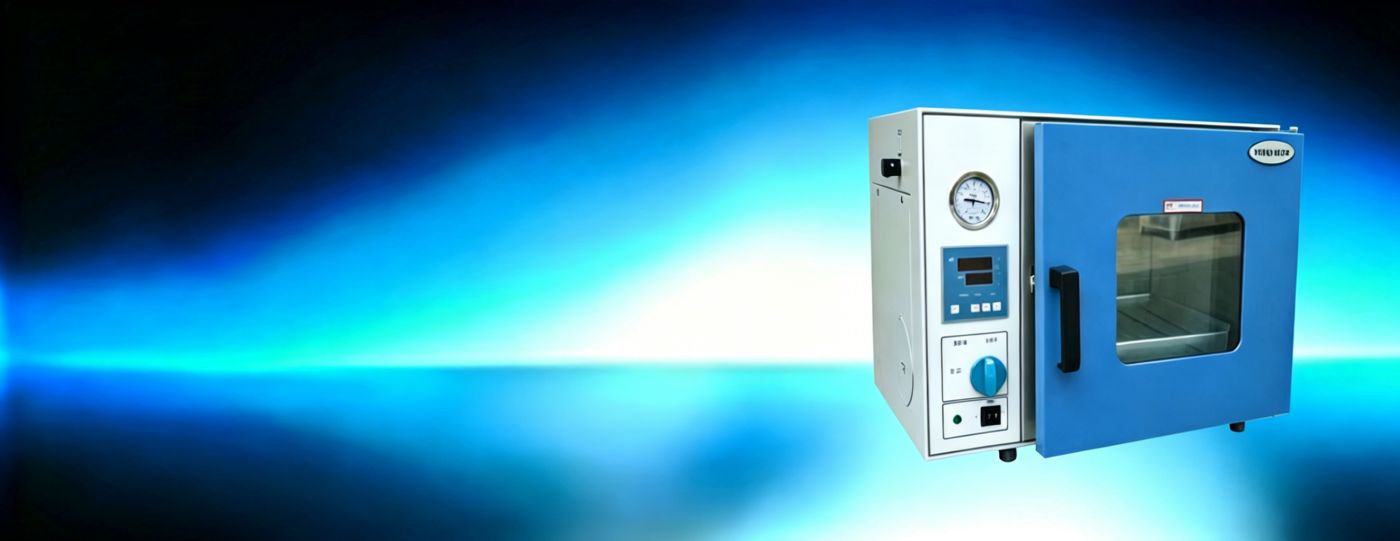
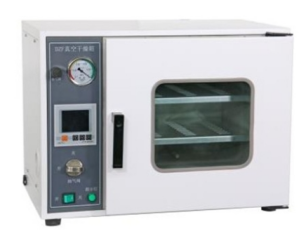
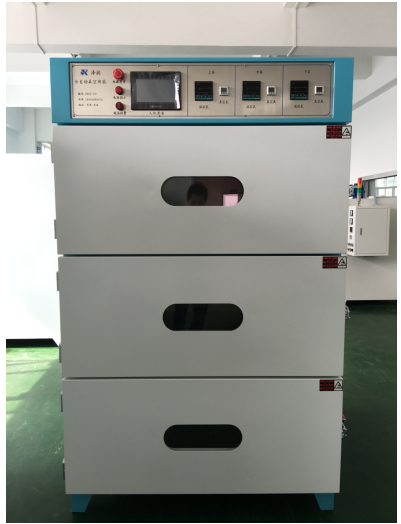
Vacuum drying oven is used after electrode welding or electrode preparation(after winding process) to remove residual moisture and ensure stable storage conditions. It helps prevent oxidation and moisture absorption of electrode sheets, improving battery safety and consistency before cell assembly.
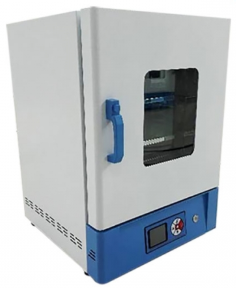
| Types | Vacuum Drying Oven | Blast box | Three layer partition vacuum drying oven |
|---|---|---|---|
| Capacity optional | 25L/ 50L/ 90L/ 210L Customized | 20L/ 42L/ 70L/ 136L/ 210L/ 240L | 430L Customized |
| Temperature | Heated up to 250C | Normal temperature 300 C | Max temp: 150C/ 200C |
| Vacuum bump | Needed | No need | Needed |
| Reference Picture |
|
|
|

Ultrasonic tab welding is used to connect electrode tabs in cylindrical cell assembly. It uses high-frequency vibration to achieve solid-state bonding without melting the materials, ensuring low resistance, high conductivity, and reliable electrical connection.
| Function | Desktop Ultrasonic Spot Welder |
|---|---|
| Machine Type | Bench-top / small laboratory system |
| Rated Power | 40KHz/ 2000W 20KHz/ 2000W 20KHz/ 3000W 20KHz/ 3600W 20KHz/ 4000W 20KHZ/ 6000W Customized |
| Ultrasonic Frequency | 20KHZ/ 24KHZ/40KHz |
| Welding Capacity | 2–40layers/ 10-90 layers of copper/aluminum foil; Please consult for details |
| Welding Area | 4*4mm/ 4*12mm/ 4*20mm/ 15*20mm |
| Operation Type | Manual operation |

The winding machine is a core laboratory and pilot-line equipment specially developed for the R&D of lithium-ion pouch batteries and cylindrical cells. It is designed to synchronously wind positive electrodes, negative electrodes and isolating separators in a layered structure, serving as the key process equipment for forming battery cell cores.
| Winding Machine Types | Reference Picture |
|---|---|
| Manual Winding Machine | 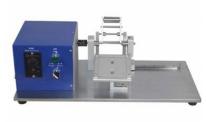 |
| Semi-Automatic Winding Machine | 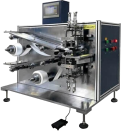 |
| Automatic Winding Machine | 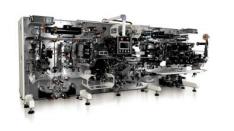 |
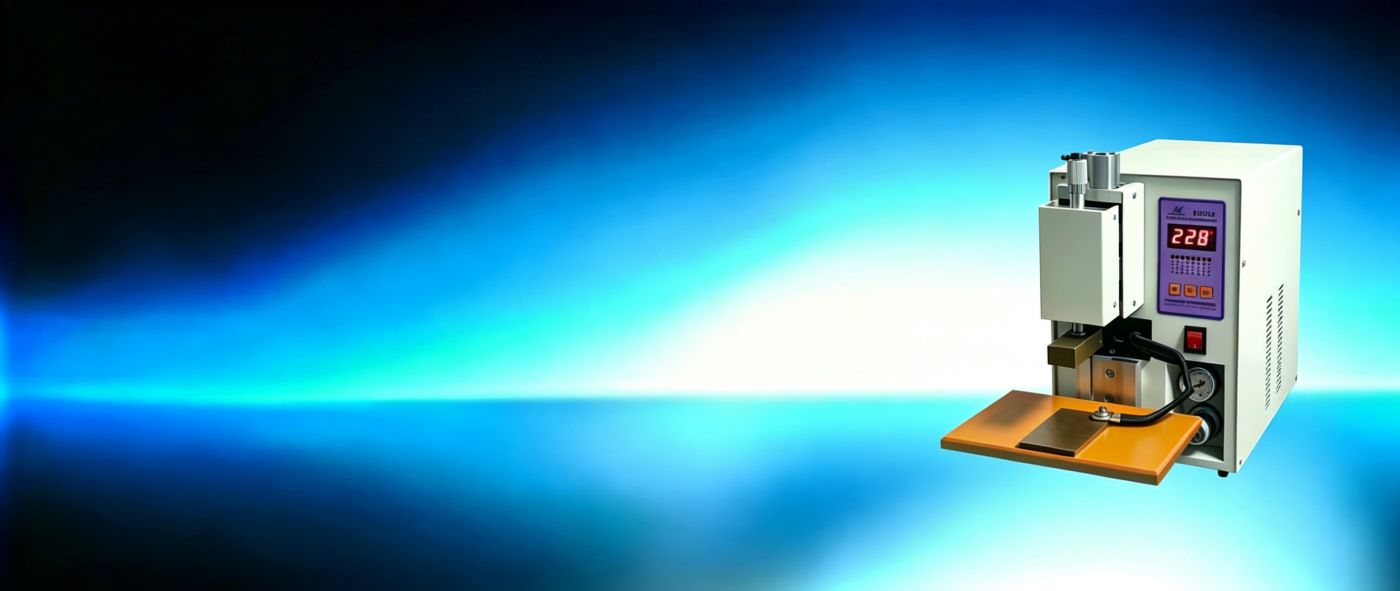
This pneumatic spot welding machine is primarily designed for welding 18650 cylindrical cell or battery packs. It delivers reliable and consistent welding performance for nickel tabs ranging in thickness from 0.02 mm to 0.2 mm.
| Product Name | Manual Single Needle Spot Welder |
|---|---|
| Operation Type | Manual operation |
| Welding Thickness | 0.03 - 0.25mm |
| Welding Current | 2500A |
| Controller | Controlled by microcontroller,achieve monopulse, dipulse, multiple-pulse welding |
| Air Pressure Range | 0.1 - 0.7 Mpa ( air compressor is required) |
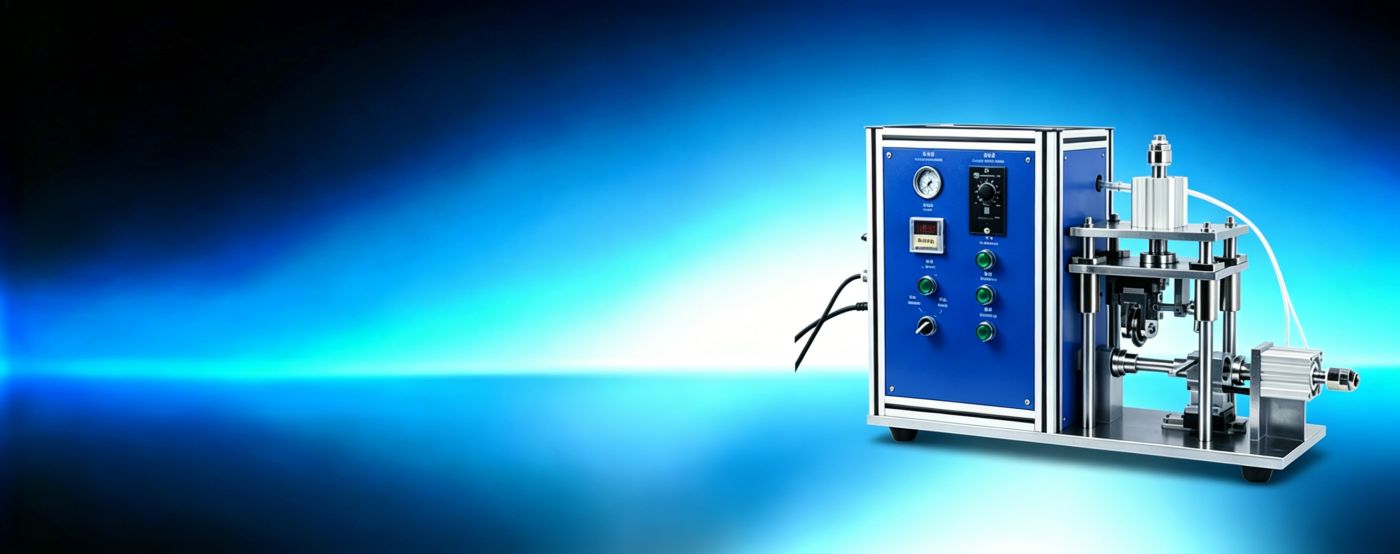
The Semi-Automatic Grooving Machine is developed for grooving cylindrical steel and aluminum shells pre-assembled with jelly rolls. It performs uniform grooving for cylindrical lithium cells and features interchangeable dies to accommodate various cell specifications. The standard setup is configured for 18650 cells, and it can be quickly adapted for other cell sizes by replacing the dies.
| Grooving Machine Types | Reference Picture |
|---|---|
| Manual Winding Machine |  |
| Automatic Winding Machine |  |
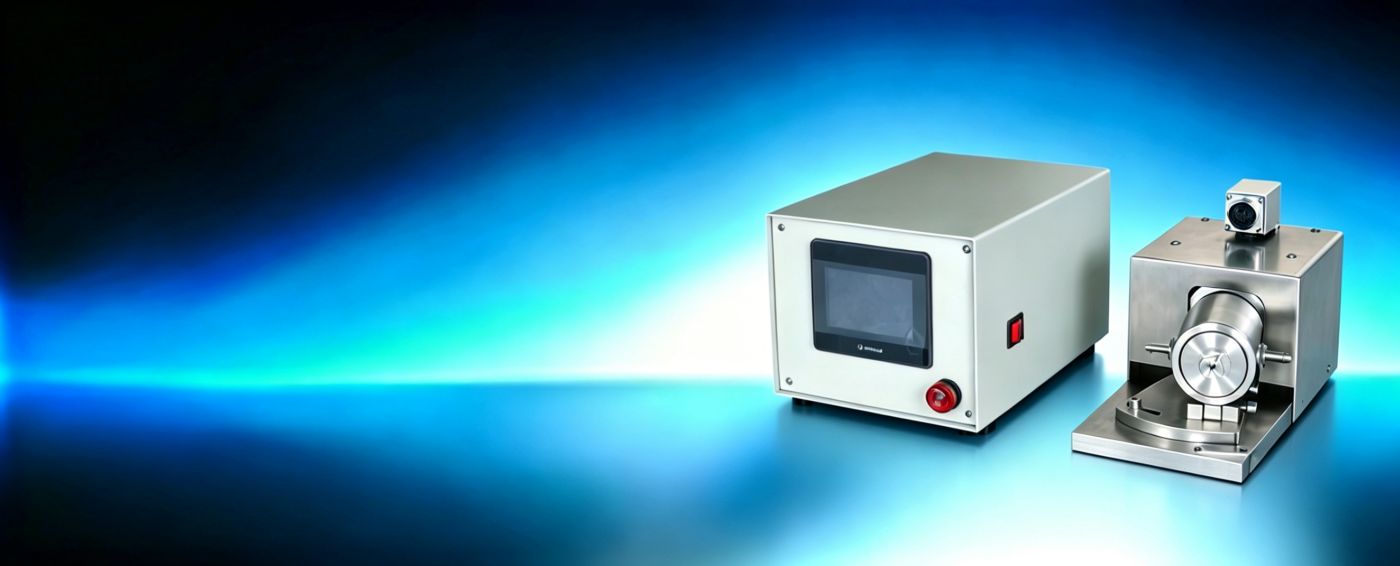
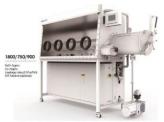
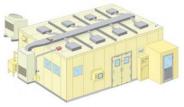
The electrolyte filling machine is used to precisely inject electrolyte into cylindrical cells. It ensures accurate dosing and uniform distribution based on the required filling volume and process conditions.
| Filling Machine Types | Reference Picture | Operating Environment | Customized |
|---|---|---|---|
| Manual Liquid filling machine |  |
Vacuum Glove Box |
Customized |
 |
Vacuum Glove Box |
Customized | |
| Semi-Automatic Filling Machine |  |
Drying room |
Customized |

It is suitable for placing the injected lithium battery in a vacuum state, allowing the electrolyte to quickly and evenly penetrate into the cell.
It is easy to operate and suitable for all types of batteries(especially soft bag battery and cylinder battery). Unique periods of vacuum control system allows electrolyte to thoroughly saturate the electrodes to ensure the best battery charging-discharging performance.
| Electrolyte Diffusion & Degassing Chamber Type | Reference Picture |
|---|---|
| Vacuum static box | 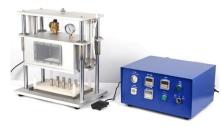 |
| Vacuum Filling and Degassing Machine | 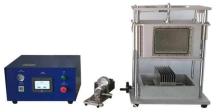 |
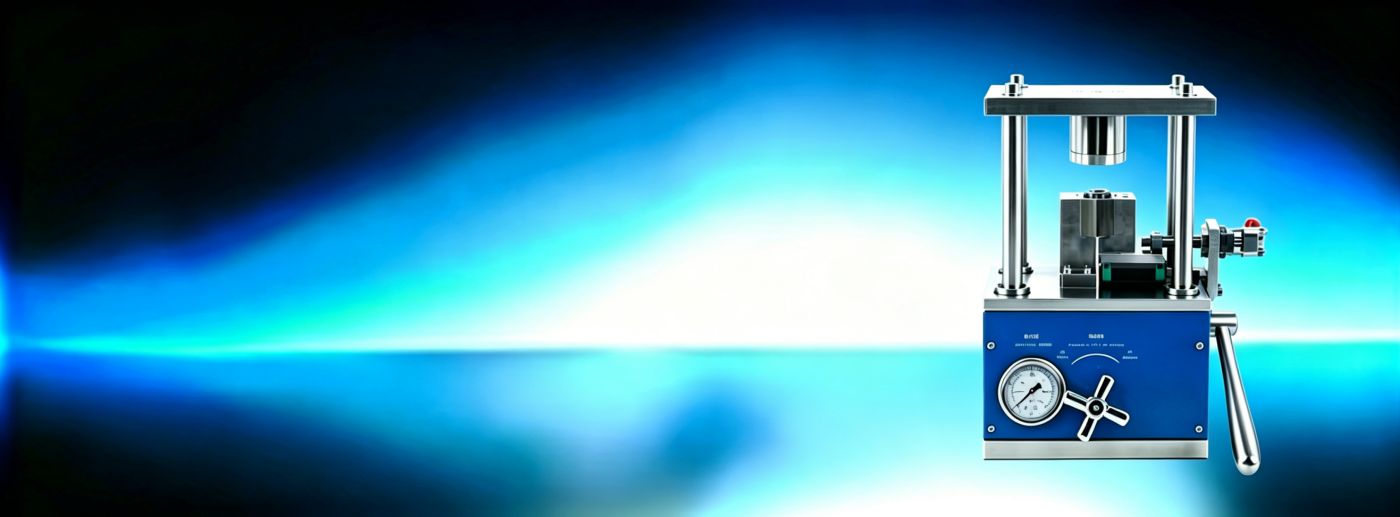
The cylindrical cell case sealing process is a key step in lithium-ion battery packaging. It ensures reliable encapsulation of the cell and directly affects battery safety, sealing performance, and cycle life.
| Filling Machine | Reference Picture | Customized |
|---|---|---|
| Manual sealing machine | 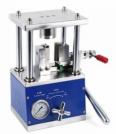 |
Customized |
| Automatic sealing machine |  |
Customized |

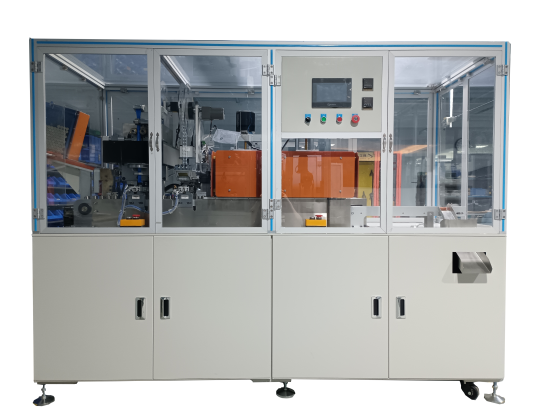
The automatic equipment integrates pad placement and PVC heat shrinking for single cells. Equipped with two temperature controllers, the two-stage shrinking furnace works at 100–180 °C. Batteries covered with PVC film are preheated in the first low-temperature section, then fully shrunk in the second high-temperature section.
| Model | TMAX-SK01 |
|---|---|
| Application | 18650, 21700 |
| Film speed | 50PCS/MIN |
| Film precision | ±0.1MM |
| Power supply | 380V/220V |
| Picture |
|

The cell formation and grading system is used in the final stage of cylindrical cell production for battery activation and performance evaluation. It performs initial charging and discharging to activate the cell, stabilize electrochemical performance, and ensure consistency.
It is widely used for cell formation, capacity testing, and grading screening in lithium-ion battery R&D and production.
| Tesing Current | 3A/ 6A / 10A / 20A / Customized |
|---|---|
| Tesing Voltage | 5V/ 10V / 20V / Customized |
| Channel | 1 / 2 / 4 / 8 / 128 / 256 / 512 / Customized |
| Clamp | 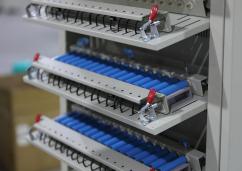 |
 +86 13174506016
 David@tmaxcn.com

