 English▼



Situs Blog
Produksi Baterai Mobil - Panduan Alur Proses & Peralatan Turnkey
Produsen Peralatan Baterai Mobil Listrik untuk Pack EV, E-Bike & Penyimpanan Energi
Hubungi kami
- Jika Anda memiliki pertanyaan, silahkan hubungi kami, Semua pertanyaan akan dijawab
- Email : David@tmaxcn.com
- Email : Davidtmaxcn@gmail.com
- Tambahkan : No. 39, Xinchang Road, Xinyang, Haicang Dist., Xiamen, Fujian, China (Mainland)
Hot produk
blog
Battery Pack Production Line - Custom Assembly Equipment
Sourcing equipment for a new module assembly plant often leads to mismatched stations and integration headaches. Plant managers must balance throughput, mechanical tolerance, and safety compliance without risking budget overruns. A poorly configured battery pack production line creates operational bottlenecks during welding, cell stacking, and final BMS commissioning. This commercial evaluation breaks down actual footprint demands, automation tiers, and line balancing steps. It helps engineering teams select the right hardware setup to meet strict delivery targets and target output capacity.
Core Station Balancing and Hardware Layout
Operating an assembly facility requires smooth workflow transfer between incoming inspection and pack enclosures. A standard configuration for prismatic units begins with incoming OCV sorting and visual scanning. Cells pass through insulation wrapping before entering compression fixtures.
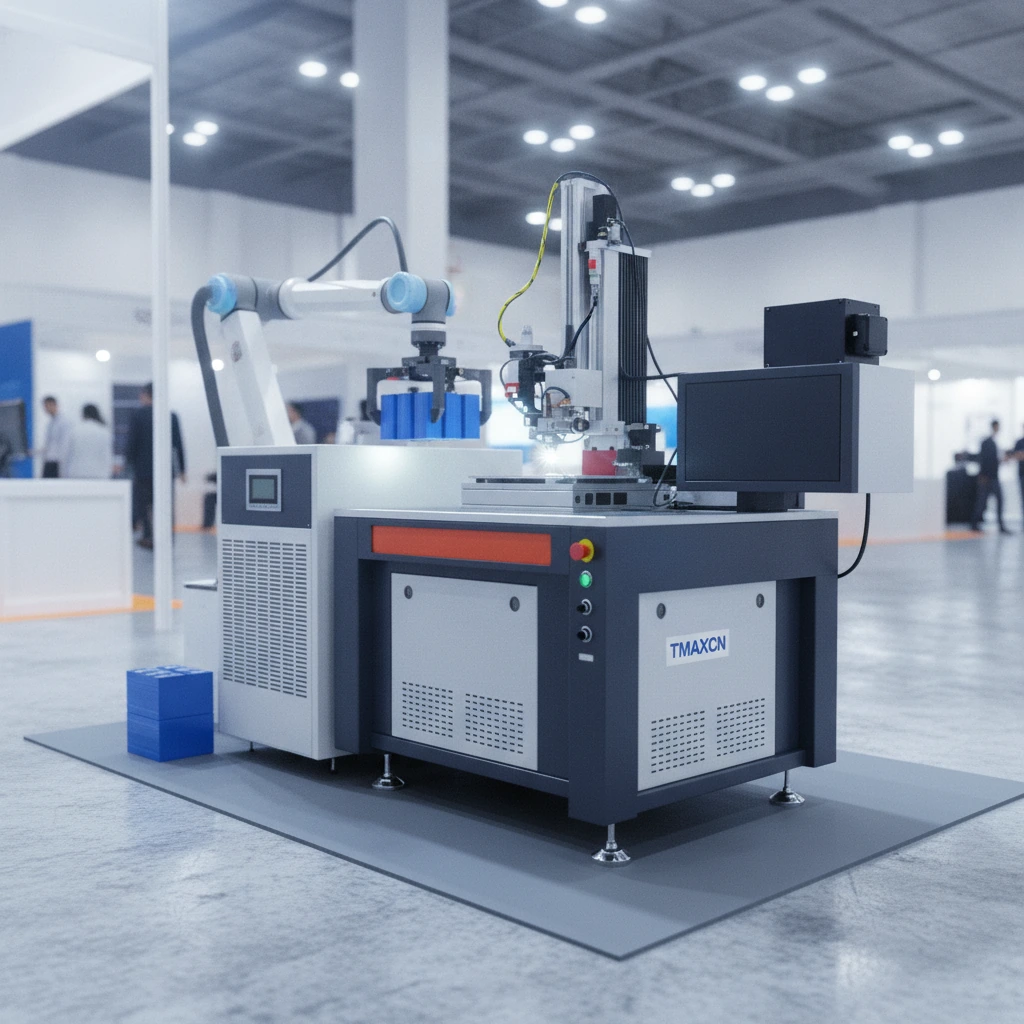
Mechanical clamping secures the cells under precise pressure. Operators or robotic arms position busbars across the terminals. The layout must allow sufficient buffer areas between the welding table and structural gluing stages. A balanced maintains consistent cycle times across each module segment, preventing idle machinery.
Laser Joining and Electrical Verification
Joint integrity determines pack longevity and internal resistance thresholds. Modern lines rely on automated fiber laser setups to bind aluminum and copper interconnects without thermal damage to cell seals.
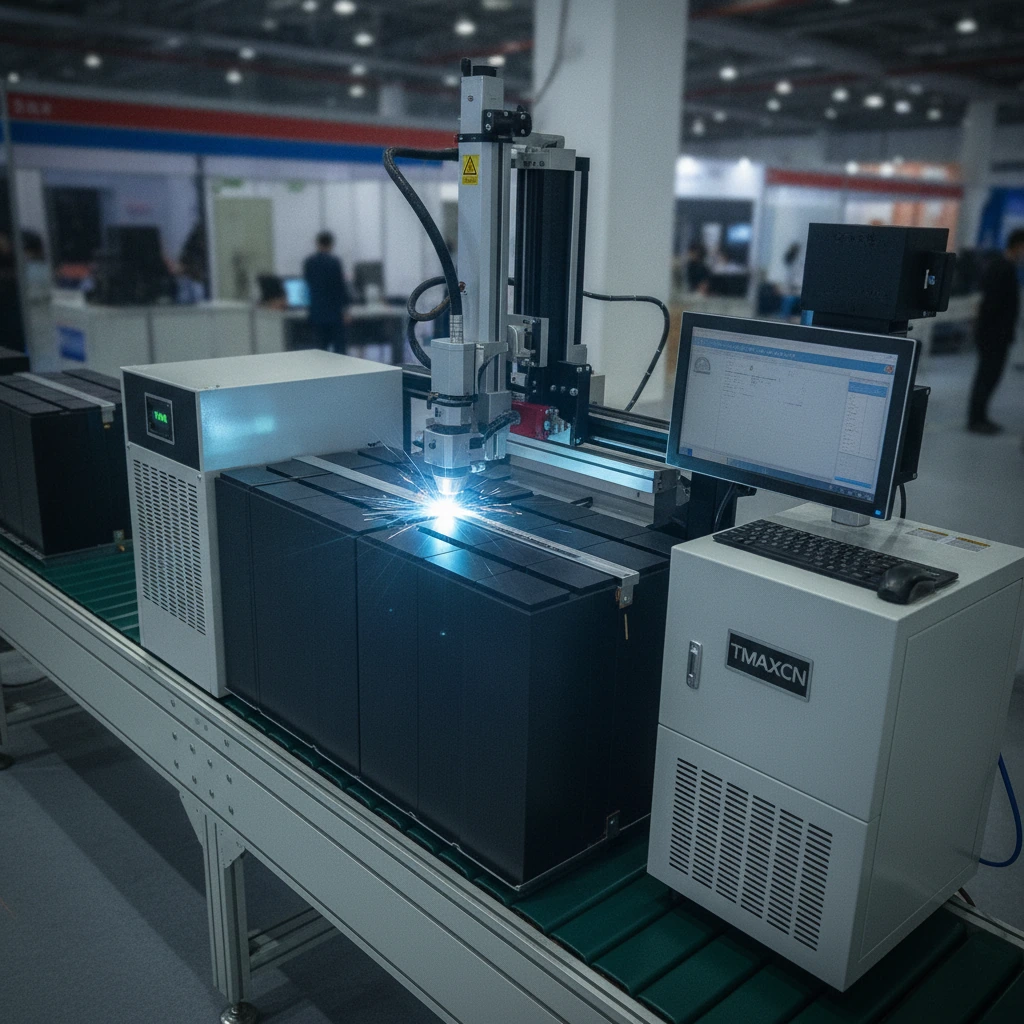
After busbar attachment, the circuit requires harness connection and control board integration. Quality control teams verify safety margins using a dedicated to log insulation and voltage performance. End-of-line verification continues through automated charge-discharge cycles. These cabinets monitor thermal behavior and capacity delivery before metal housings receive final enclosure bolts.
Turnkey Integration and Delivery Factors
Procurement engineers often evaluate whether to purchase standalone machines or choose a complete from an experienced manufacturer. Sourcing individual units from fragmented vendors introduces communication protocol clashes between PLC units. Turnkey setups ensure unified software protocols across sorting, welding, and aging systems.
Factory floor footprint, local voltage standards, and utility piping must match machine intake points before dispatch. Shipping from coastal manufacturing hubs like Xiamen streamlines export logistics, keeping crating and maritime transport schedules predictable.
FAQ
Can this setup adapt to different prismatic cell capacities?
Yes. The tooling fixtures, compression frames, and laser welding paths feature adjustable mechanical guides. Programs stored in the PLC interface allow swift changeovers between different cell heights and module lengths.
How are safety standards met by the lithium battery pack equipment?
Every machine module complies with CE requirements and includes safety light curtains, emergency stops, and isolated exhaust ducts to handle any thermal deviations during initial electrical testing.
What is the lead time for a turnkey battery pack solution?
Standard semi-automated layouts typically ship within 60 to 90 days from technical design approval. Custom busbar tooling or higher automation requests may require additional validation time before final factory testing.
 +86 13174506016
 David@tmaxcn.com


